Start with the batch.
Compare the compound name and batch identifier with the product in front of you.

Explore research peptides and the information behind each vial.
Follow how product identity, laboratory analysis and the original report connect to a specific batch.
Read about testingThe COA brings batch identity, methods and analytical results into one record.
Proposed testing workflow. Laboratory partners, methods and batch records are subject to confirmation.
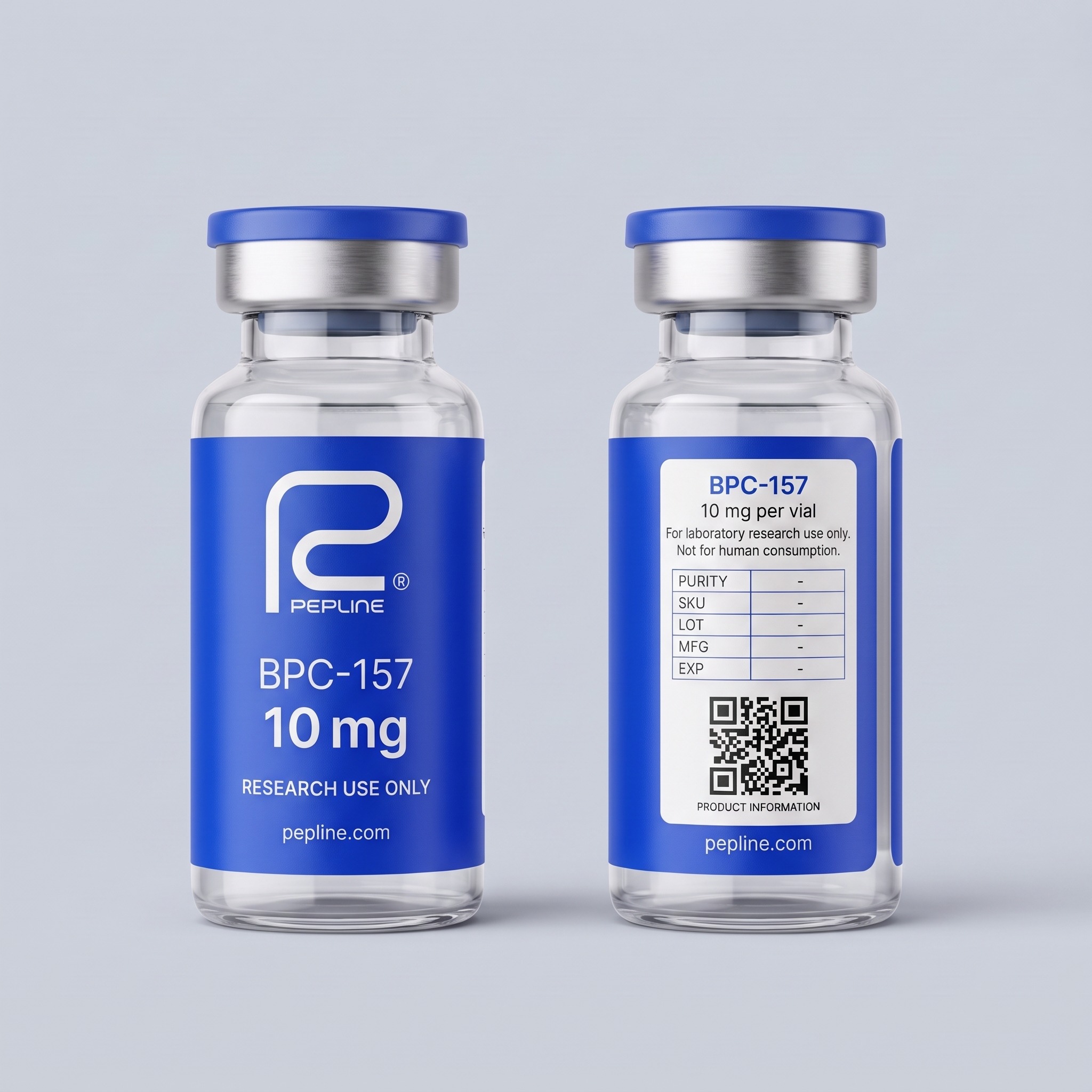
Explore the supplied BPC-157 packaging. Find the compound, labeled quantity and research-use designation.
For laboratory research only.
A label introduces the product.
A batch record adds the detail.
Compare the compound name and batch identifier with the product in front of you.
Read the stated methods and scope. Each analysis answers a different question.
Look at the units, dates and accompanying notes alongside the reported measurements.
The lot number, the laboratory and the results. A practical guide to the details that connect a vial to its report.
Read articleWhy a purity percentage, a compound match and a content measurement belong beside each other.
Read articleA short introduction to amino acids, peptide bonds and why the exact compound name matters.
Read articlePepline is a research-use brand. The products shown are intended for laboratory research, not for human or veterinary use.
The proposed process connects manufacturing records and independent analysis with batch-specific documentation. Laboratory partners, final methods and actual reports need to be confirmed before launch.
A COA records the sample tested, the methods used and the results reported. It should be matched to the relevant compound and batch. The illustration above is a process concept, not a real test result.
10 mg is the quantity stated on this vial’s label. It is a quantity designation, not a purity percentage. Confirmed batch documentation should provide the supporting measurements.